Why the World is Looking to Nigeria for Garri, Palm Oil, Pupuru Flour and Plantain Flour
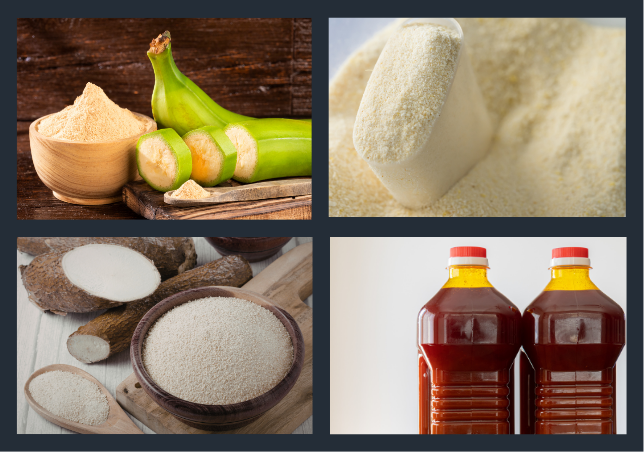
For decades, the global image of Nigeria has been dominated by its status as an oil-producing giant. However, a quiet but powerful shift is occurring. The world's gaze is increasingly turning away from the "black gold" of crude oil and towards the "green gold" of Nigeria's rich agricultural heritage. Foods like garri, palm oil, pupuru flour, and plantain flour are no longer just staples for the Nigerian diaspora; they are becoming global commodities, sought after for their unique flavours, nutritional benefits, and the massive opportunities they present in international trade.
This blog post explores the forces driving this demand, the immense potential waiting to be unlocked, and how companies like AOJ Foods Ventures Limited are positioning Nigeria as a true agricultural powerhouse.
A Return to "Green Gold": The Palm Oil Resurgence
Nigeria's story in the global agricultural market is most dramatically illustrated by palm oil. In the 1960s, Nigeria was a giant, controlling a staggering 43% of the global palm oil supply. Today, decades after the oil boom caused a decline in focus on agriculture, the country produces about 1.4 million metric tons annually, a figure that falls short of the 2.5 million metric tons of national demand.
This supply gap represents a massive opportunity.
"The gap between local demand of 2.5m MT and supply of 1.4m MT is the ₦1.2 trillion opportunity."
With the global palm oil market projected to reach a staggering $72 billion by 2027, Nigeria is perfectly positioned to reclaim a significant share of this lucrative trade. A quiet revolution is already brewing in the red soils of states like Edo, Ondo, and Cross River, where smallholders are replanting and major players like Okomu and Presco are expanding their operations. The question is no longer if Nigeria can return to the global stage for palm oil, but when it will seize the moment.
Garri: From Local Staple to Global Cassava Hub
Garri is arguably the most well-known West African staple, and its potential for global export is immense. Made from cassava, a crop that Nigeria is one of the world's largest producers of, garri is not just food; it is a cultural touchstone for the diaspora.
The global demand is being driven by the growing Nigerian and African diaspora in key markets such as the United Kingdom, the United States, and Canada. The UK, with its large Nigerian community, has even seen mainstream supermarkets introduce "African Foods" sections, signaling a shift in consumer habits. This demand is not just for any garri, but for high-quality, hygienically processed products that meet international standards.
This shift is already being recognized. An IFAD and Federal Government-assisted project, the LIFE-ND, is training entrepreneurs in states like Imo to produce and process garri under global best practices. One trainer, Okorie Emmanuel, confidently predicted the country's trajectory:
"Nigeria will be a garri-exporting country and would be a hub of the garri industry with huge value chain."
For exporters, the opportunity is substantial. The price disparity between local and international markets is significant. For instance, a 10kg bag of yam flour—a product with a similar value proposition—that sells for around ₦30,000 in Nigeria, can fetch up to $200 in international markets. This kind of profit margin demonstrates the immense earning potential for companies and farmers who can successfully navigate the export chain.
Plantain Flour and Pupuru: Meeting Global Health and Diaspora Trends
The growing global interest in Nigerian produce is also fueled by health trends and dietary needs. Plantain flour, derived from dried and milled unripe plantains, is a perfect example. It is naturally gluten-free, rich in resistant starch, potassium, and dietary fiber, making it a sought-after ingredient for health-conscious consumers and those with gluten intolerance.
"The popularity of dried plantain can be explained both by its smooth flavor and the nutritional value it has. It is highly rich in dietary fiber, benefitting the digestive system as well as blood sugar levels regulation, which makes it an appropriate component of wellness-oriented foods..."
This health appeal has created demand in markets far beyond traditional diaspora communities. Countries in Asia-Pacific, like Singapore and Australia, are showing emerging interest in plantain flour as part of a growing trend for African food imports. Likewise, Pupuru flour, a traditional Yoruba fermented cassava flour with a distinct smoky flavor, is a diaspora favorite, particularly in Europe and North America. This demand is not just for the familiar taste but for the authentic connection to home it provides.
The Nigerian Advantage: A Perfect Storm for Exports
Several factors are converging to make Nigeria a prime source for these agricultural products. One key driver is the desire for diversification. With the global palm oil market at $72 billion and agriculture contributing to GDP growth, there is a strong push from both the private and public sectors to boost non-oil exports.
Secondly, the enormous diaspora market acts as a ready-made consumer base. There are over 2.5 million Africans in the US alone, with strong demand for authentic food products. This creates a stable and growing market for staples like garri, palm oil, and pupuru flour.
Finally, the natural advantage of being a major producer of cassava and oil palm gives Nigeria a significant edge. This raw material abundance, combined with efforts to improve processing and packaging to meet NAFDAC and international export standards, is opening doors. Companies like AOJ Foods Ventures Limited are at the forefront of this, focusing on quality control, proper documentation, and export-ready packaging to ensure buyers receive safe, traceable, and profitable agricultural products.
Conclusion
The world is looking at Nigeria not just for its oil, but for the food that grows from its soil. From the "green gold" of palm oil to the versatile cassava products like garri and pupuru, and the nutrient-rich plantain flour, the opportunities are immense.
Nigeria stands at a pivotal moment—a chance to shed its image as a solely oil-dependent nation and emerge as a global leader in agriculture. With the right investments in quality, processing, and trade infrastructure, the world will be buying more than just Nigerian oil; it will be buying the authentic taste of Nigeria.